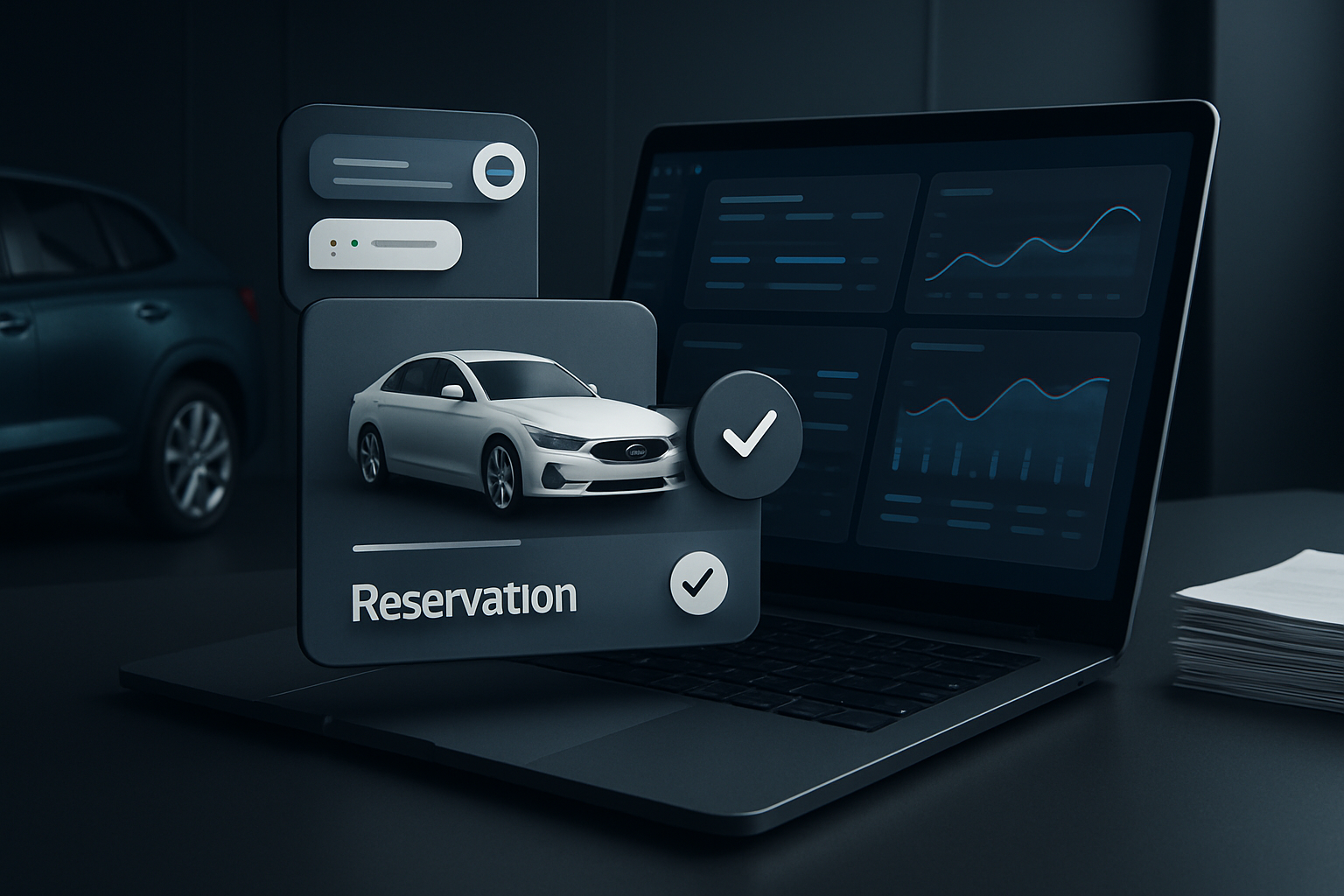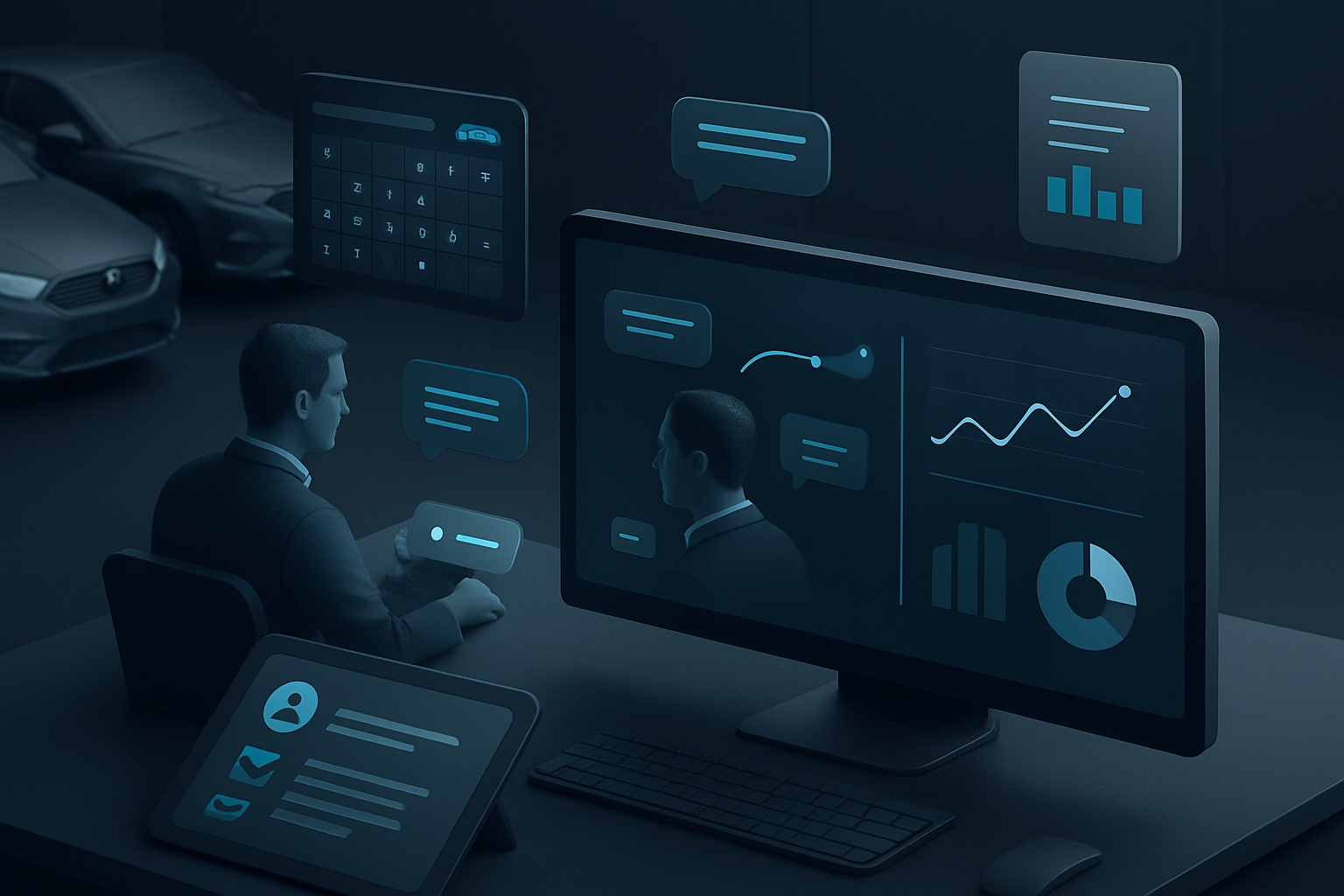

How to reduce operational errors at the rental company using technology
Discover how to reduce operational errors at the rental company with practical technology: process automation, data governance and applied AI, with a clear roadmap, estimated ROI, and consistent gains in bookings, billing, and customer satisfaction.
Direct response
Reducing operational errors requires standardization of processes, intelligent automation, data governance, and real-time monitoring. Adopt AI-based document validation, stable integrations between bookings, support, and billing, deviation dashboards, and a roadmap with measurable targets and clear ROI.
Those who work daily at a rental company know that the biggest differentiator is not just the fleet, but the ability to deliver a stable and predictable experience for the customer. Operational errors — such as divergences between reservation, vehicle availability, and charges, deliveries outside the window, and improper charges — erode margins, harm the reputation, and raise the cost of rework. The good news is that affordable, well-structured technology can reduce this gap without requiring radical changes to the structure.
This content shows how to identify sources of error, implement practical automations, and structure data governance for quick and scalable results. The proposal is to build an ecosystem that allows reducing divergences, accelerating the reservation cycle, and improving the customer experience in weeks, not months.
Diagnosis: where the main errors occur
Before deploying solutions, it is essential to map the current flow and identify bottlenecks. Key areas to observe:
- Inconsistency between reservation data and billing information;
- Incomplete or outdated customer registrations;
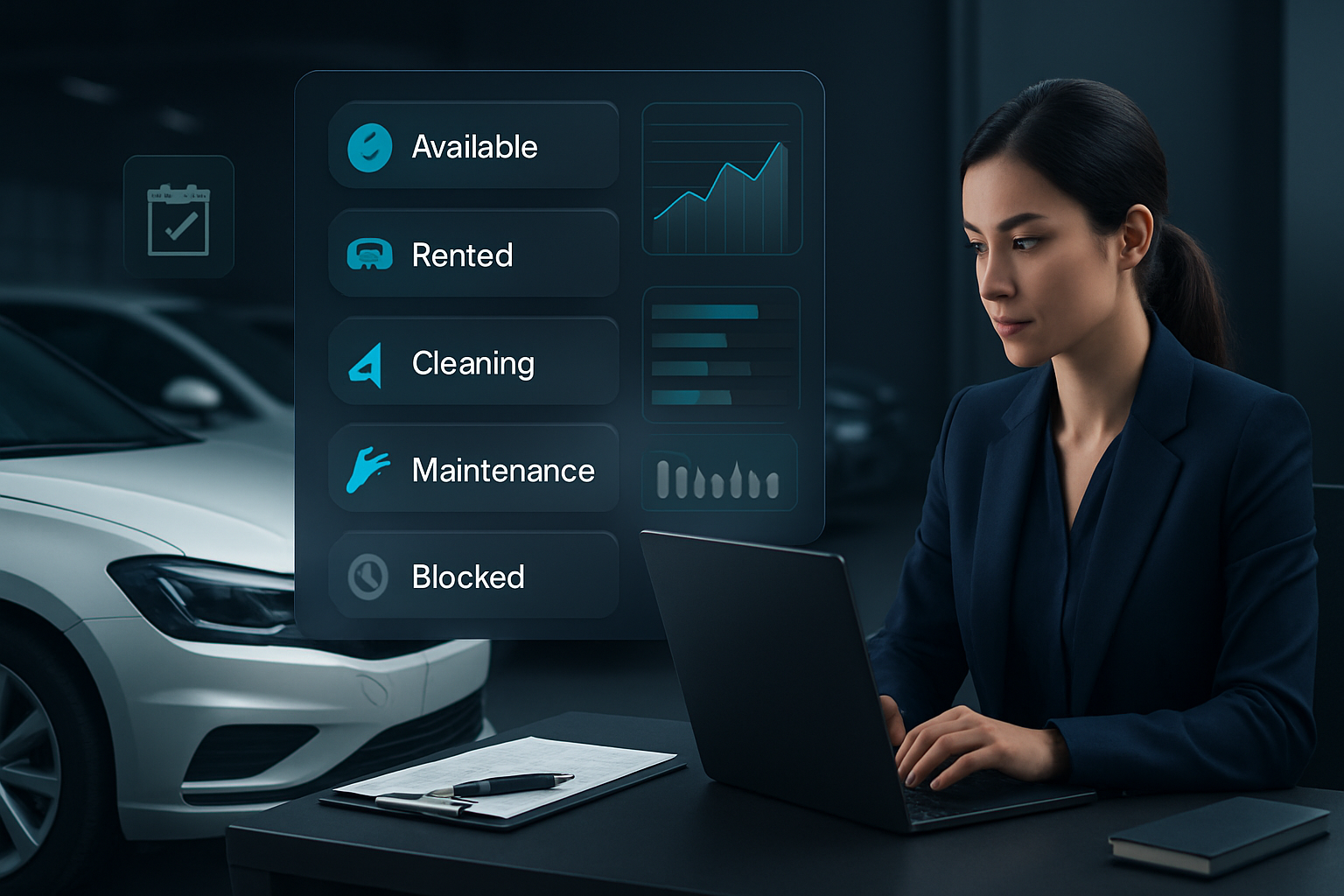
- Vehicle availability status not reflected in real time;
- Driver/lessee documentation pending or invalid;
- Delays in communicating changes or charges to the customer.
These problems often share a common root: fragmented data, repetitive manual tasks, and silos between teams. Mapping the end-to-end flow allows prioritizing high-impact actions with less effort.
Automation solutions that tend to generate the greatest impact
The solutions below focus on quick improvements, with visible ROI in the short term:
- Integration automation: stable connectors between reservation, billing, deliveries, and customer service systems to avoid data divergences.
- Real-time validation by AI: document checks, pending documents, vehicle photos, and reservation conditions to reduce deliveries with issues.
- Process standardization: task workflows with owners, SLAs, and automatic notifications for charges, deliveries, and vehicle returns.
- Deviation dashboards: monitoring of operational KPIs (time between reservation and delivery, discrepancy in charged amount, documentation status) with proactive alerts.
- Data reconciliation: cross-validation between reservation, contract and payment systems to avoid unwarranted charges.
These solutions work best when paired with structured data governance, which describes which fields are mandatory, which rules validate each step, and how reconciliation between systems occurs. For practical reference, see how this correlates with initiatives already evaluated by SisRental.
Data governance: boosting accuracy and trust
Data accuracy is the foundation for any operational improvement. Data governance is not just technology; it is a set of rules, roles, and processes that ensure consistency. Key components:
- Master records of customers and vehicles with real-time validation;
- Business rule for mandatory fields at each stage (reservation, delivery, billing, returns);
- Reconcile data between different systems on a scheduled basis;
- Audit of changes and data quality controls;
- Privacy policies and compliance with local regulations.
With data governance, the veracity of information increases, reducing rework, disputed charges, and service failures. It also facilitates AI adoption across different journeys, with greater reliability of inputs.
Implementation roadmap with quick wins
Below is a practical plan to deliver short-term gains, aligned with a mid-term vision and continuous improvement:
- Week 1-2: detailed diagnosis, mapping of critical data, selection of key metrics, and definition of data governance. Set measurable goals (e.g., reduce discrepancies between reservation and billing by 30% in the first 8 weeks).
- Week 3-4: implementation of basic automations for integrations between critical systems and creation of dashboards monitoring deviations.
- Week 5-8: validation of documents with AI, standardization of task workflows, start of real-time data reconciliation and first improvement cycles with feedback from teams.
- Week 9-12: Automation scaling, advanced dashboards and integration with service channels for proactive communication with customers. Start of AI projects for anomaly detection in journeys.
ROI estimates depend on operation volume, but it's common to observe a reduction in rework by 20–40% and an improvement in customer satisfaction, with more stable delivery times and fewer improper charges.
Practical use cases: AI, automation and assisted journeys
To illustrate, check out practical examples of how technology can act along the customer journey.
- Automatic document validation: AI verifies photos, identity verification video conference and documents, releasing the reservation with less human intervention.
- Anomaly detection in the journey: AI algorithms signal deviations between reservation, availability and charges, triggering automatic assistance before problems occur.
- Follow-up automations: automatic notifications to customers at critical stages (document pending, payment approval, delivery status).
Real-world use cases show that the integration of AI, automation and data governance yields measurable gains, with improved completed bookings, reduced disputed charges, and shorter service times.
How SisRental empowers your rental company
The modules of the SisRental platform can be triggered for each described stage, offering quick configuration, integrated data governance, ready automations and dashboards with performance metrics. Check out some paths:
- Increase revenue using technology without increasing the fleet — relationship between operational efficiency and revenue growth.
- Reduction of chargebacks — examples of contract validation and proof of use.
- Generation of qualified demand — combination of automation with customer acquisition.
Connecting AI, automation and WebMCP, you create assisted journeys that reduce friction points, increase transaction security and raise the likelihood of a successfully completed booking, all within solid data governance.
Conclusion: a clear path to reduce operational errors with technology
Reducing operational errors is not an isolated project, but a transformation of organizational habits with the right technology. By aligning diagnosis, automation, data governance, an implementation roadmap with quick wins and an ecosystem view (AI + automation + assisted journeys), rental companies can deliver faster reservations, more accurate billing, on-time deliveries, and more satisfied customers.
Final CTA
Ready to reduce operational errors and transform your rental company's performance? Talk to the SisRental team and request a personalized demonstration of the modules that best align with your operating stage. Discover how intelligent automation can generate real gains in the next 30 days.
Note: if you want, also explore the internal materials cited to broaden your improvement roadmap (focus on billing, chargebacks, and customer acquisition) to underpin your implementation plan.
Search
Categories
Popular Posts


Gallery