
Digitization of the rental company: how to move from manual control to a professional operation
Transform your rental company with strategic digitization: reduce manual tasks, speed up billing, improve collections and the customer experience. Practical guide with ROI, SMART goals, data governance and measurable steps to operate as a professional company.
Direct response
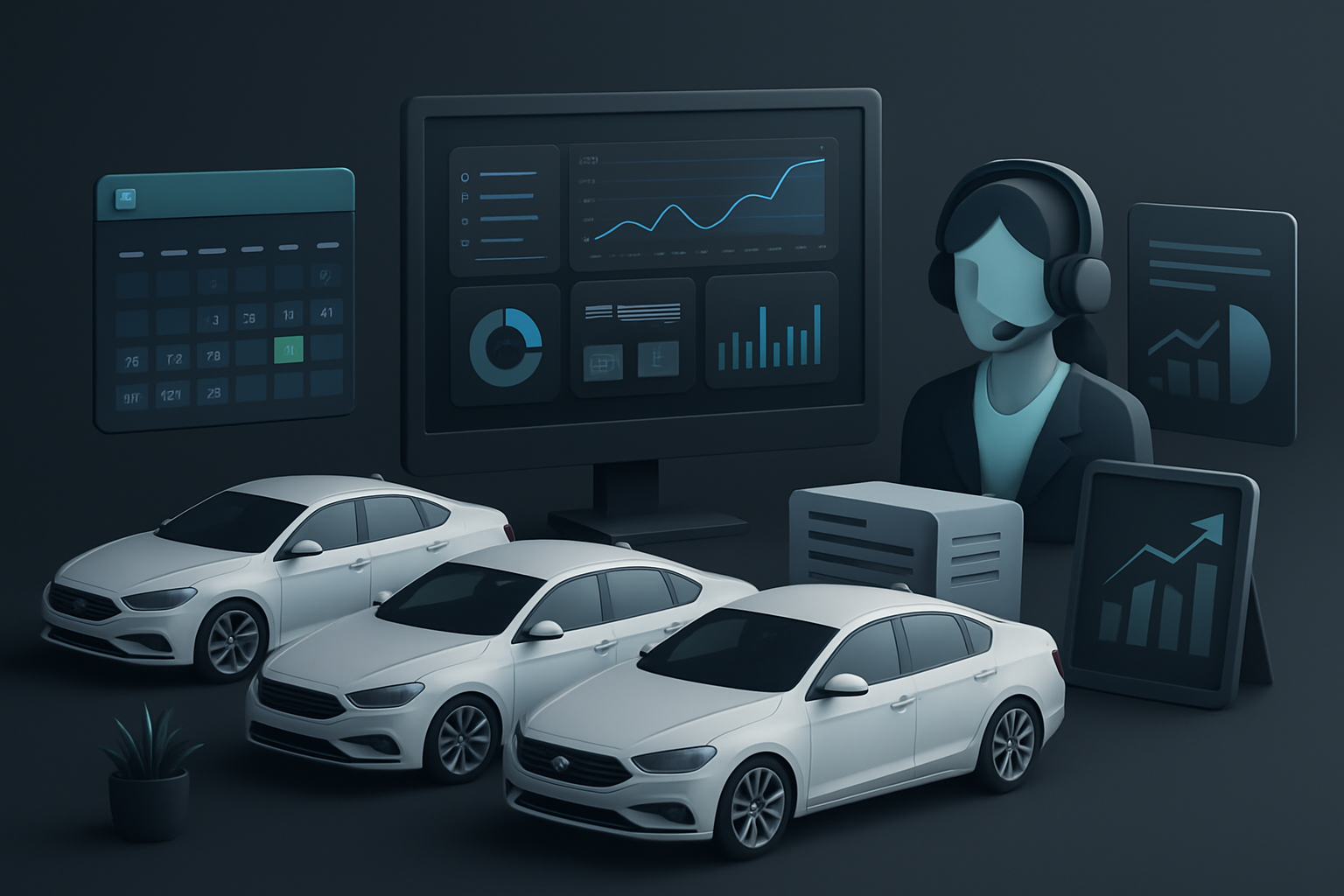
Digitizing the rental company means standardizing processes, adopting an ERP with reservation, billing and collection modules, as well as digital inspection and data governance. As a result, billing time shortens, default falls and direct bookings rise, generating stable and scalable revenue.
Introduction: hook for the car rental owner
Have you noticed that spreadsheets and manual tasks are limiting the growth of your rental business? The answer isn't just buying more software, but redesigning operations for professional, predictable, and scalable performance. This guide shows how to move from operational chaos to a technology-supported operation, with clear ROI, data governance, and a direct impact on revenue.
To speed up action, start with a quick diagnosis and a pilot of automation in critical areas. If you want, we offer a free 30-minute diagnostic to map bottlenecks and outline the initial roadmap.
Next, we present a structured path with SMART objectives, practical steps, and real examples of improvements in efficiency, cycle time, billing and collections, and customer satisfaction.
Table of contents (TOC)
- Diagnosis and SMART objectives
- Mapping of key processes
- Essential technologies
- Data governance and metrics
- Case study: ROI and real gains
- Plans and implementation
- Frequently asked questions
- Conclusion and next steps
1. Diagnosis and alignment of objectives
Before choosing tools, align what you want to achieve in the next 90 days and the next 12 months. Key questions: which processes take the most time? where do billing errors occur? what is the real cost of manual operation? Set SMART goals: specific, measurable, achievable, relevant, and time-bound.
Example SMART goals: reduce billing time from 72 hours to 24 hours, reduce delinquency from 6% to 2.5%, increase direct bookings by 15% in the next 90 days, and achieve 95% fleet inspection compliance.
2. Mapping of key processes
2.1 Reservations and availability
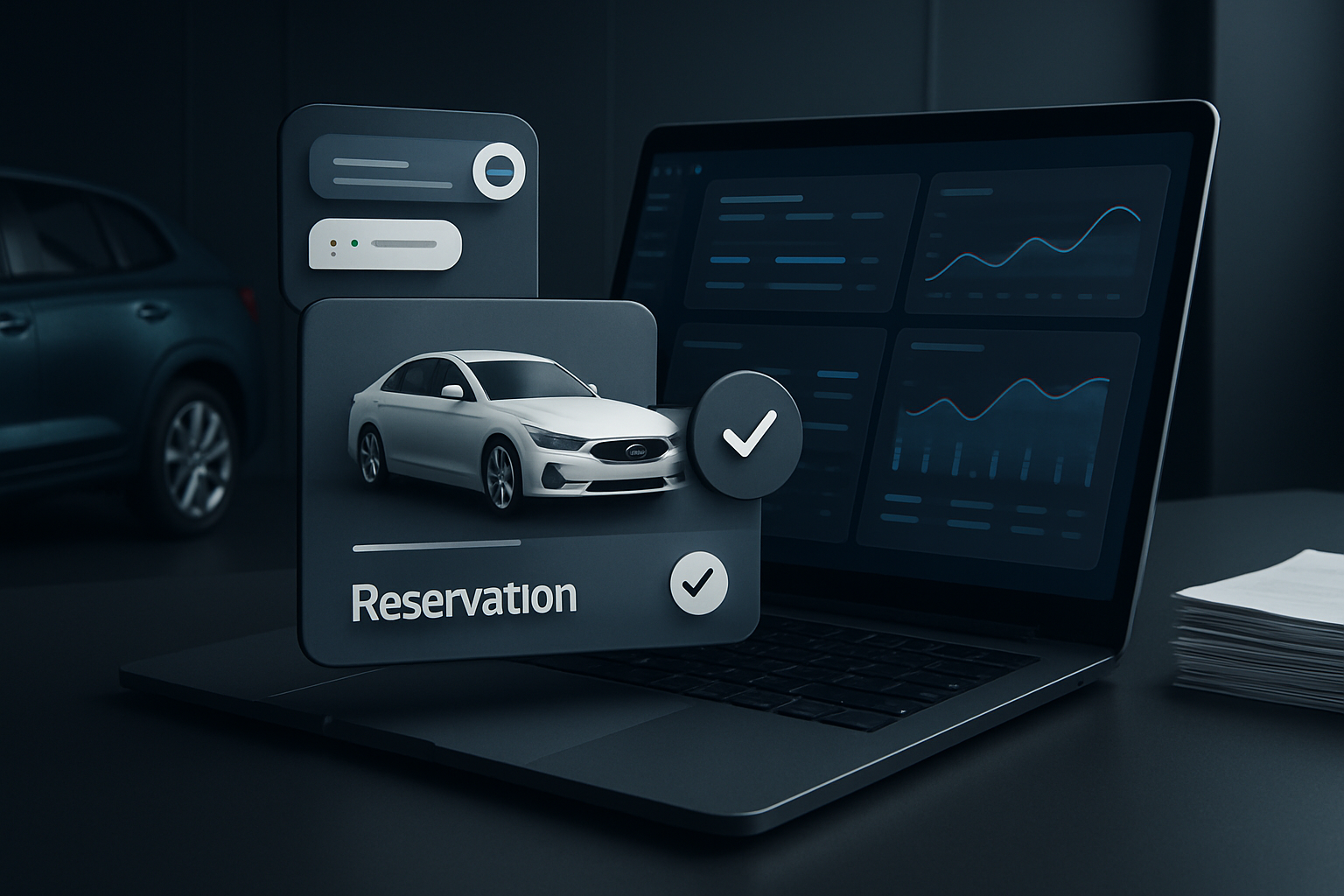
Consolidate channels (website, marketplace, call center) into a single reservation engine. Automate confirmations, rental policies, document validation, and insurance. Benefits: 24/7 service, fewer human errors, higher conversion rate, and better occupancy predictability.
2.2 Fleet management and maintenance
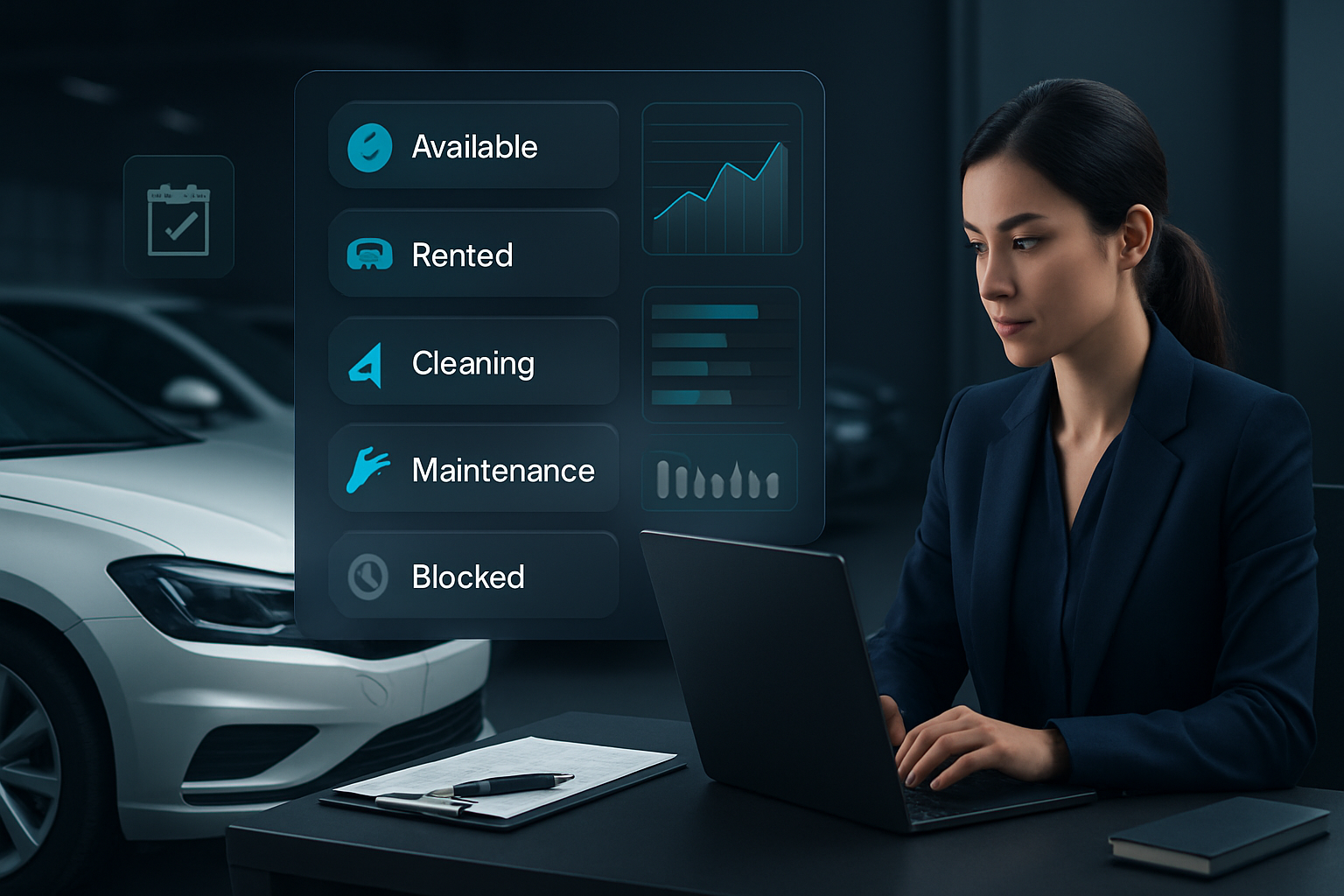
Track location, vehicle condition, mileage, scheduled maintenance, inspections, and insurance expirations. Digital inspections with photos reduce rework and deliveries with defects.
2.3 Billing and collections
Automate invoices, charges, installments and chargeback policies. Automatic notifications reduce delays and improve receivables recovery.
2.4 Relationship and Support
Chatbots for common questions, SLA tickets, a single customer history, personalized offers and loyalty campaigns.
3. Essential technologies for digitalization
Adopt a scalable path, with clear ROI at each stage. Key components:
- Car rental management system (ERP/SEG with modules to reserve, bill, collect, maintenance)
- Omnichannel reservations module and availability engine
- Automatic billing, integration with payment methods and issuance of invoices
- Digital vehicle inspection (checklists, photos, geolocation)
- Data management and governance (standards, master data, data quality)
- Workflow automation and AI for support and recommendations
4. Data governance and metrics
Define master data (customers, fleets, contracts), data policies, access levels and auditing. Key metrics: average reservation cycle time, billing time, delinquency rate, service SLA, CAC and LTV per customer. Simple dashboards with alerts help keep course, and governance prevents silos.
5. Case study: ROI and real gains
A rental company with 120 vehicles implemented a single reservations engine, payment gateway integration, digital inspection and automated collections. In 90 days: billing time fell from 3 days to 8 hours; delinquency from 5.5% to 2.1%; direct bookings grew by 18%. Estimated ROI: 26% per year, with payback in 4.5 months.
How they achieved it: bottleneck mapping, ERP with automations, payment integration, digital inspection with visual evidence, data governance and monitoring of critical metrics.
6. Plans and implementation
Design the implementation in short phases with measurable deliverables:
- Phase 1 (30 days): omnichannel reservations, automated billing and initial charges
- Phase 2 (45–60 days): digital inspection, fleet management and service SLA
- Phase 3 (60–90 days): data governance, dashboards, integration with marketing and CRM
Success criteria: cycle time, error reduction, improvement in customer satisfaction and positive ROI.
Frequently Asked Questions (FAQs)
What is the quickest benefit of digitization? Reduction in billing time and improvement in cash flow, with automated collections and lower delinquencies. Is it viable to start with a few modules? Yes. Start with bookings, invoicing, and collections; add digital inspection and governance as ROI consolidates. How to measure success? Reservation cycle time, billing time, delinquency rate, CAC/LTV, NPS and customer satisfaction.7. Conclusion and next steps
Digitization is the continuous transformation of operations, finance, and customer experience. With SMART objectives, mapped processes, the right technologies, and data governance, your rental company starts operating as a professional, scalable, and profitable business.
Ready to start? Schedule a quick diagnosis with us to chart a tailored roadmap for your business. In the meantime, explore related content to deepen: revenue improvement, chargeback reduction, customer acquisition, and local visibility.
Relevant internal resources
- How to increase a car rental company's revenue by up to 30% using technology
- How to avoid chargebacks in car rental companies
- How to attract customers every day using Google Ads
Technical note: when integrating AI, use it for rapid customer service, upsell recommendations based on the customer's history, and predictive collection flows. Combine AI with WebMCP to identify real-time operational opportunities, keeping human oversight for critical decisions.
Note about the initial CTA
To capture leads immediately, we offer a quick 30-minute diagnosis at the top of the page, with an initial roadmap presented at the end of the session.
Search
Categories
Popular Posts
Gallery